Grok Bots vs Claude Cowork: I Don't Care Who's Smarter. I Care Whose Computer It Is.
Both keep working with the lid shut. The difference is what happens to the computer when the task ends - one Claude with hands, or teammates with their own machine.
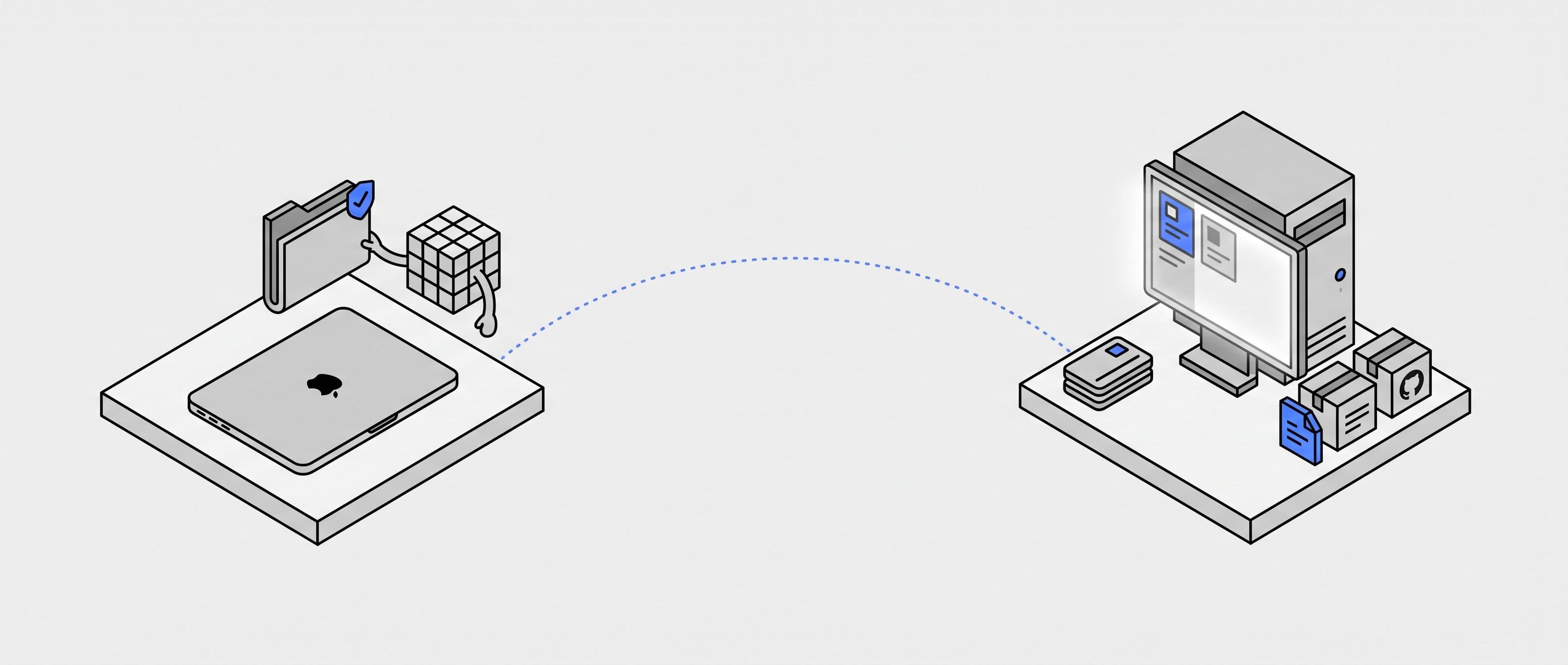
I've spent the last couple of days throwing real work at Grok Bots. Not demos. Not "summarise this PDF." Actual stuff I would otherwise have done myself, slowly, in the gaps between other work.
A mess of files off the Mac and into Drive. The portfolio repo cloned locally because that's where I wanted the change to live. Sanity publishing that still needed a Vercel redeploy every time I hit Publish, which is a ridiculous way to run a blog in 2026. The experience page still reading like I was a consultant with a side project, when LinkedIn had already been rewritten around Spendesk.
I shut the lid more than once. The work kept going.
That's the bit that got me. Not the chat. The fact that something was still moving when I wasn't looking at it. Claude can do this now too, and I'll get to that. But this was where I first felt it.
I've been in Claude for a long time. And not just for words. Hundreds of skills, connectors into every tool I use, client context in Projects, routines that run on their own. All my coding happens there. Cowork is the version that can actually touch files and run a task without me prompting every step. So the obvious question, once Grok Bots showed up, was: if Claude can already use my desktop, why would I bother with another agent that also wants access to my machine?
The marketing for both sounds identical. Describe an outcome. Step away. Come back to finished work. That's not a difference. That's the category.
The difference is what happens to the computer when the task ends, and whether you're talking to one assistant with hands or a set of teammates with their own machine.
Cowork is Claude with hands
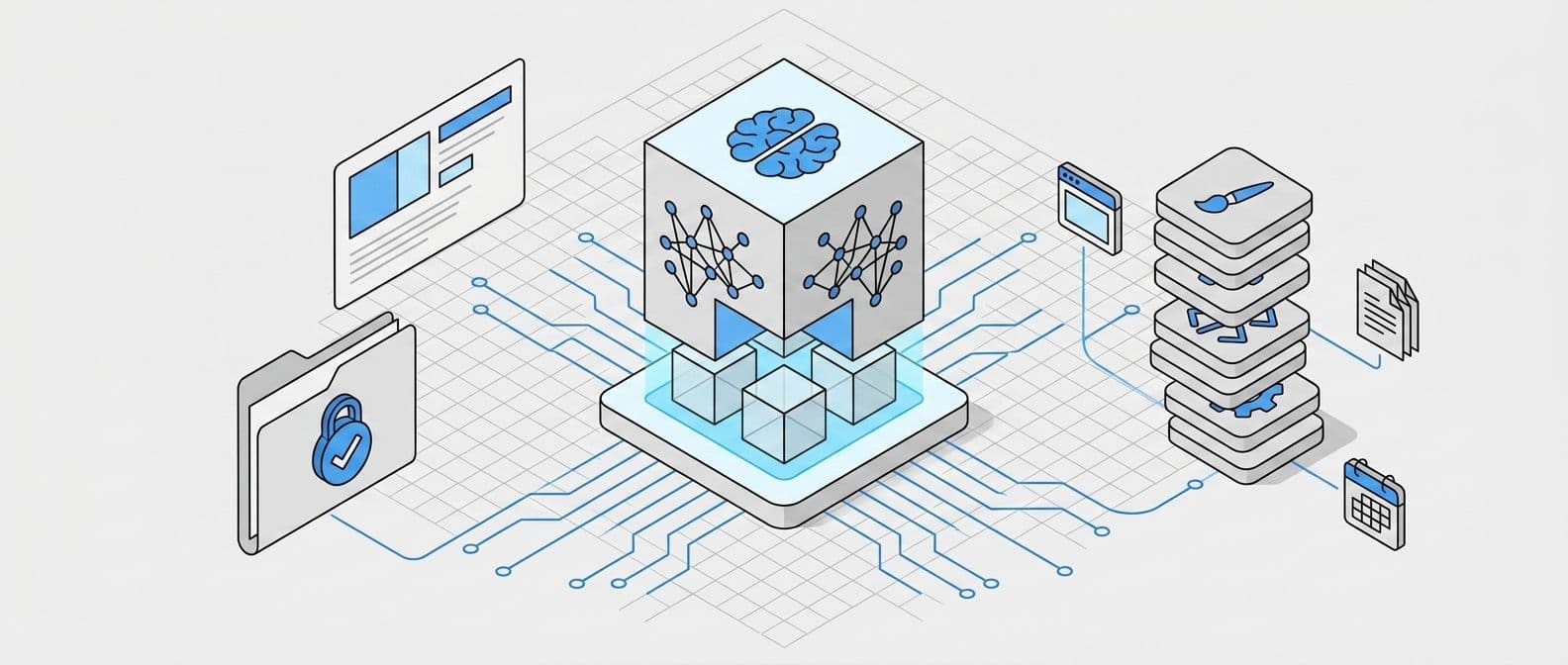
If you already live in Claude, Cowork won't feel like a new product. It feels like Claude stopped being a conversation and started being able to finish the job.
You switch the message box from Chat to Cowork and describe the outcome. It plans, splits work, runs in the cloud. If the task needs something on your Mac - a folder, a browser, a local file - it reaches through the Claude Desktop app. You grant folders. It stays inside them. Deleting anything still asks you first, which is the correct default.
That's the shape of it. One Claude. Your Projects, your memory, your skills, your writing quality. Sub-agents inside a task, not separate people you keep around. Scheduled tasks if you want something to recur. The artefacts land in your folders, in your session, in the same brain that already knows how you like a sentence to sit.
For the way I already work, that's not a small thing. I've got hundreds of skills in there. Client context lives in Projects. Connectors into the tools I actually use. SuperWhisper for talking through edits. The whole point of that setup is that Claude already knows me. Cowork is that setup, allowed to touch the disk.
And to be fair: Cowork runs in the cloud too now. Shut the laptop and a cloud session carries on. Scheduled tasks fire with no device online at all. The desktop app only has to be open when the task is actually on your machine - local files, local browser, local screen - because that's the pipe. Close it, or let the Mac sleep, and that part of the job has nothing to reach through.
I don't think that's a criticism. It's just the architecture. Cowork is Claude, reaching into your world.
Grok Bots are a teammate with their own desk
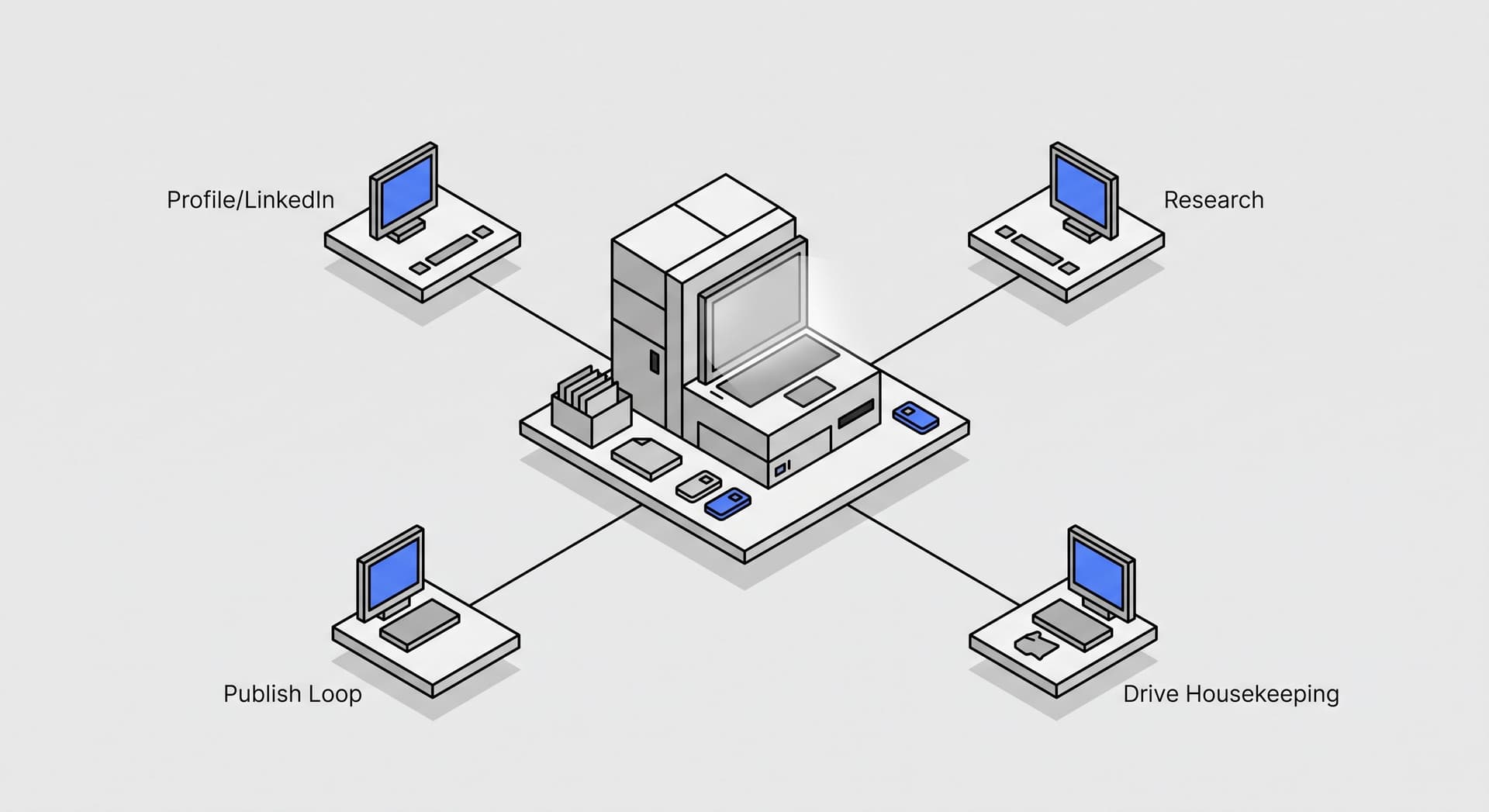
Grok Bots are a different shape, even when they can also see your Mac.
Each bot has a name, a job, and memory that survives the chat. They sit in a sidebar like colleagues. They share one cloud computer - browser, files, terminal, logins - and each gets its own screen on it. You can have more than one going at once. I do. There's one I've been using as a general operator, and a separate one for LinkedIn. They don't share a thread unless I put them in one.
That sounds like a gimmick until you use it. Then it feels closer to how you already split work with humans. You don't ask the person rewriting your profile to also sort Drive and ship a site change. You'd feel weird if they did.
The computer is the other half. It isn't a sandbox on my MacBook Air. It's theirs. Files and sign-ins persist. I can close the Grok Bot app, close the laptop, and cloud work does not stop. If they need something on my machine, they ask, and I approve it. That's how the file work happened. That's how the repo work happened. Two computers, not one assistant borrowing mine.
Connectors matter here more than I expected. GitHub, Drive, the browser for everything else. Work lands in the actual tool. I'm not copying a draft out of a chat and going to finish it myself, which is still how most "agent" demos quietly end.
It's in beta. You feel that. Plans, permissions, the occasional "wait, why are you asking me that." I'm not going to pretend otherwise. I'm also not going back to doing the same jobs by hand because the product isn't finished.
The difference that actually matters
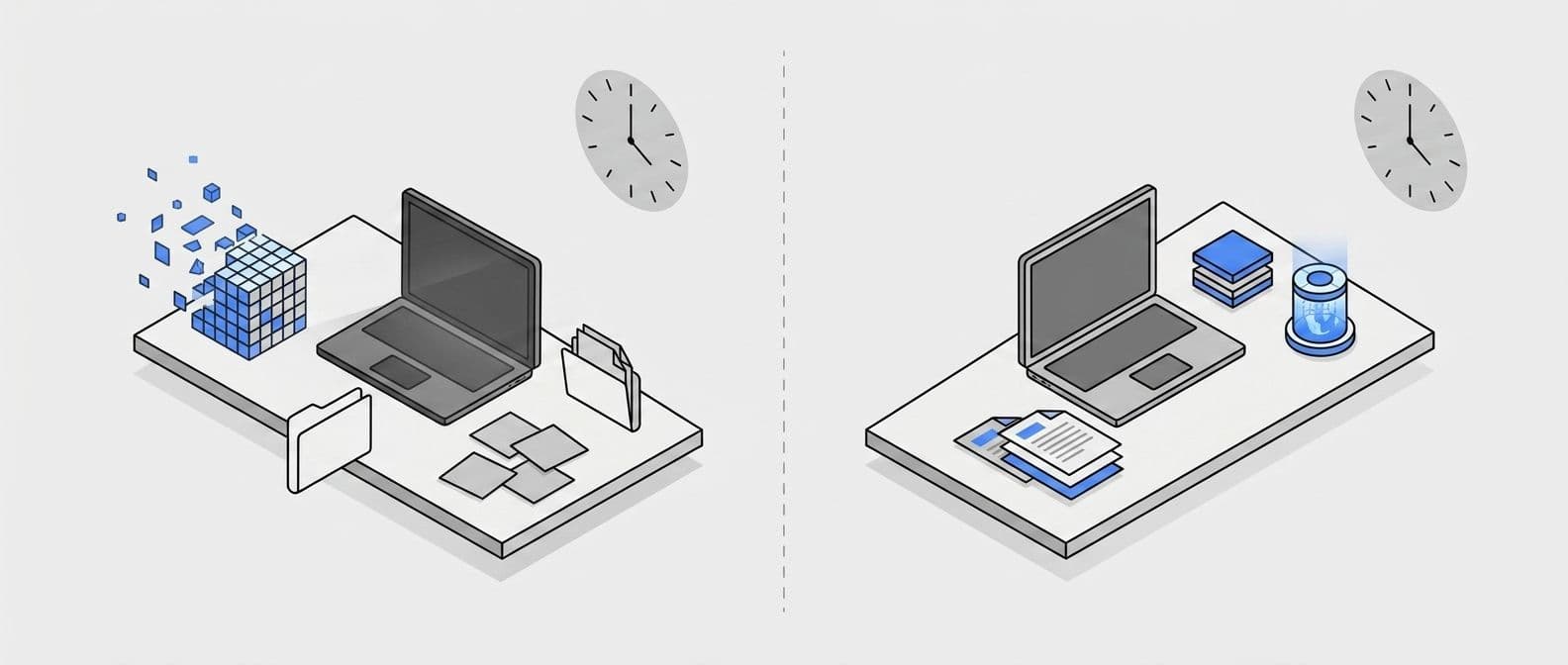
On paper, the overlap is huge. Both run in the cloud. Both can use a browser. Both can schedule work. Both can touch local files through a desktop app. If you only read the launch posts, you'd think they were the same product with different branding.
They're not.
Cowork is still one relationship. You and Claude. The memory is Claude's memory. The judgement about a sentence is Claude's judgement, which, for writing, I still prefer. The work is happening in your session, and when it needs your disk, it borrows your disk through a tightly scoped permission.
A Grok Bot is a hire. A narrow one, if you set it up that way. It has its own machine, and the machine persists. Not a cloud session that spins up for a task - a computer that's still there tomorrow, with the files where it left them and the sign-ins still warm. You can run a few of them without turning one chat into a swamp. When it needs your Mac, that's a request, not the default.
I used to think the test was what happens when I walk away. It isn't, quite. Both keep working now - Cowork's cloud sessions survive the lid closing the same way the bots do. The better test is what's waiting when I come back, and how much I had to re-explain to get it.
If the job lives in a folder on my laptop, and I want Claude's brain on it, Cowork. Organise these files. Turn this pile of notes into a deck. Stay inside the client Project. Don't invent a new place for the work to live.
If the job wants a standing specialist that isn't also doing everything else, or needs to stay signed into the tools and leave the result where the work actually is - site, repo, Drive, LinkedIn - that's been Grok Bots.
I used both kinds of access in the same stretch of days. The bot's own computer for the long-running bits. My Mac when the files and the git history were already there. That combination is the thing I didn't have a clean version of before.
Where I'd actually point each one
People ask for examples, so here are honest ones - a mix of what I've already done and what's next in the queue.
Cowork gets the jobs that live in my folders and need my context:
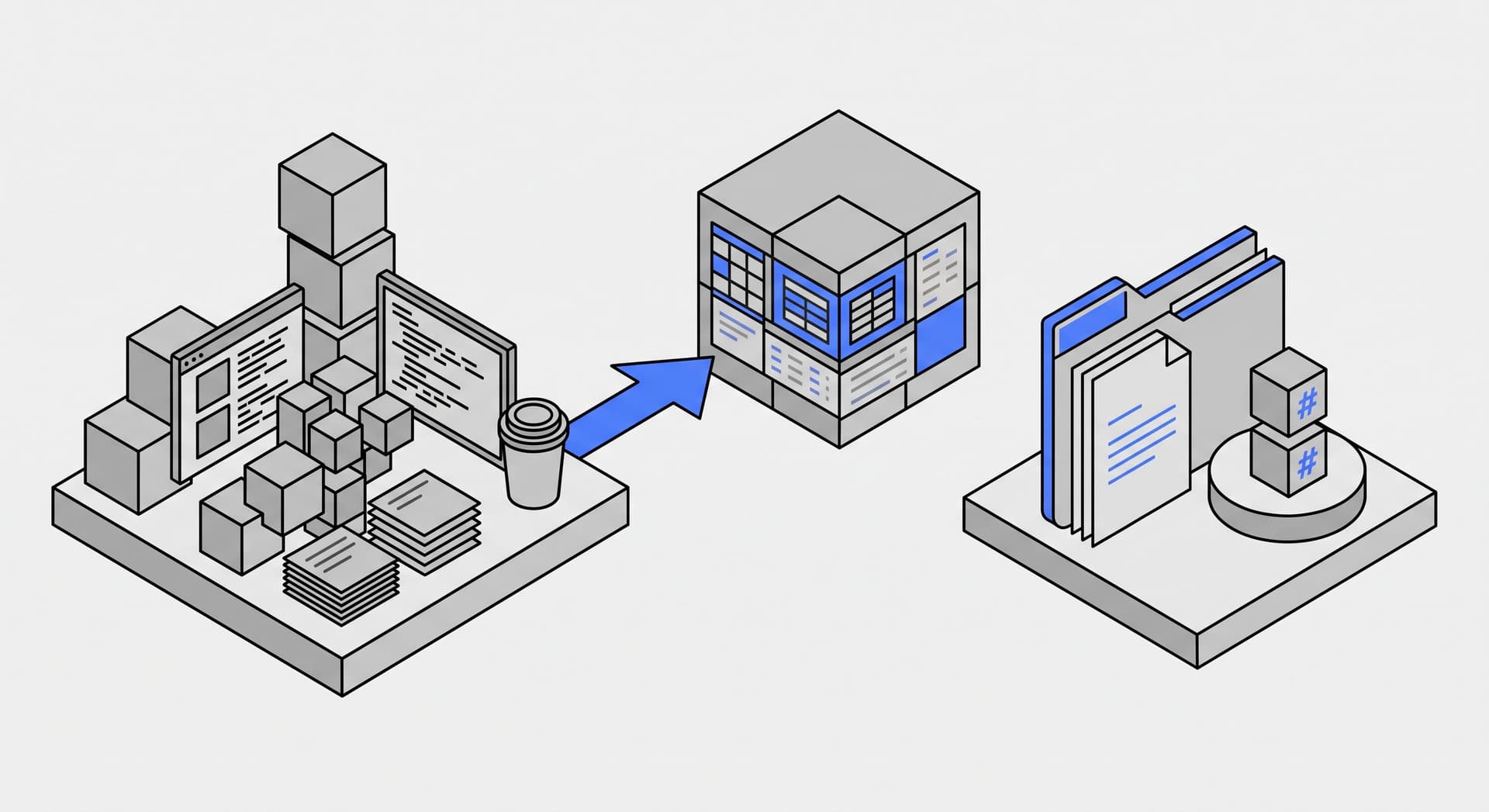
- A pile of discovery-call notes turned into a proposal, inside the client's Project, so it already knows the pricing, the tone, and what we said last time.
- Repo work where the git history is already on my Mac. Copy changes across a site. The dependency bump I've been dodging for a month.
- Sorting the Downloads folder and the screenshot graveyard into the structure I actually use, rather than the structure I aspire to.
- First-pass edits across a batch of documents, where the sentence-level judgement matters more than the labour.
The bots get the jobs I'd hand a person with their own login and their own laptop:
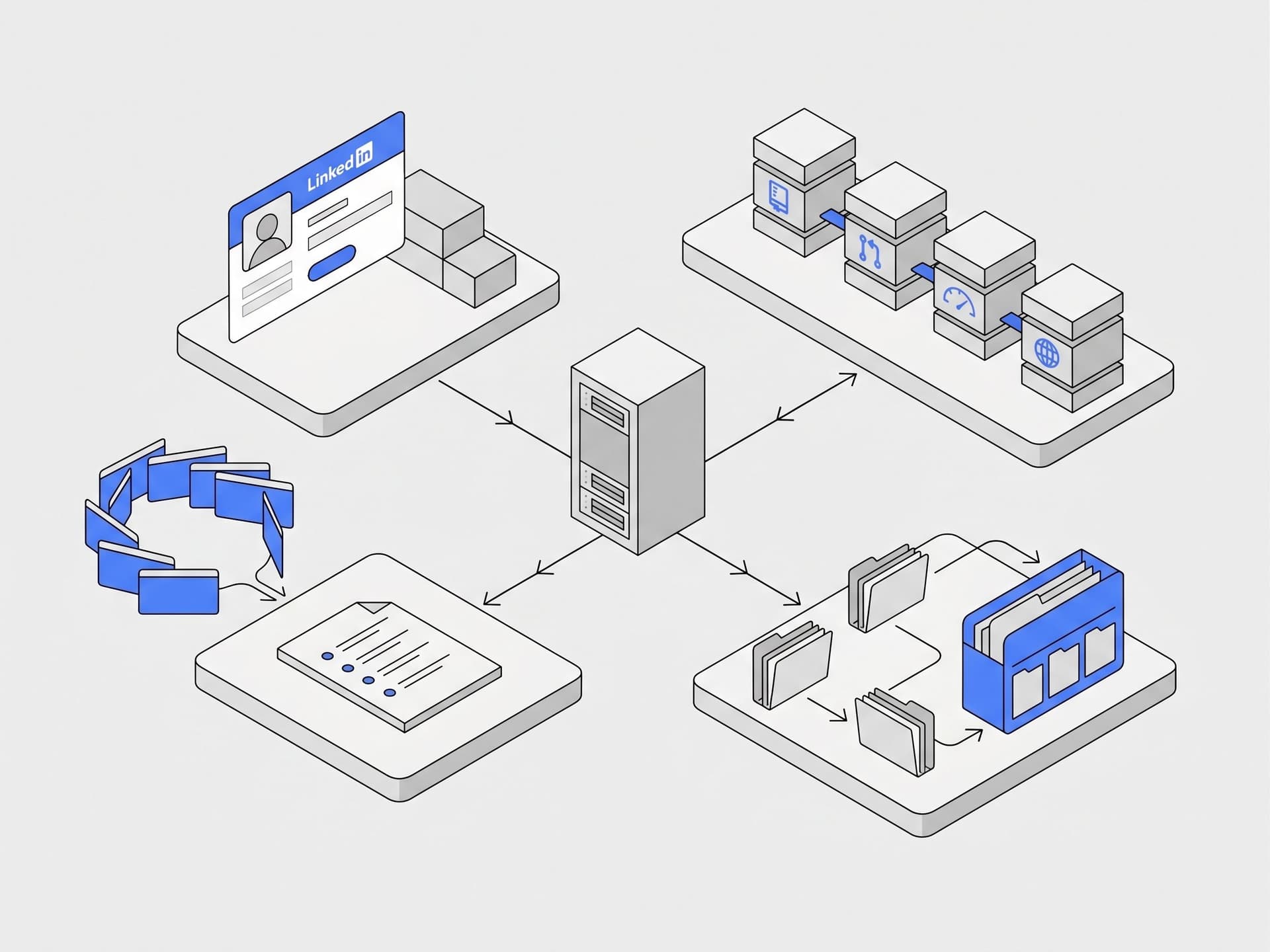
- The LinkedIn bot owns one thing: the profile, the drafts, the comments worth replying to. It remembers what went out last week. I don't re-brief it.
- Research that means forty tabs and three hours. Competitor pricing. Tool comparisons. What agencies are actually charging for this in 2026. It runs while I'm in meetings.
- The publish loop. Change in the repo, pull request, deploy check, come back with a link. The Sanity redeploy annoyance at the top of this post is exactly this shape of job.
- Recurring housekeeping in tools it stays signed into. Drive tidy-ups. The weekly numbers pulled into one doc before Monday.
None of that is exotic. That's the point. The flashy demos are how people get burned. The boring jobs are where the hours actually come back.
What I wouldn't use them for
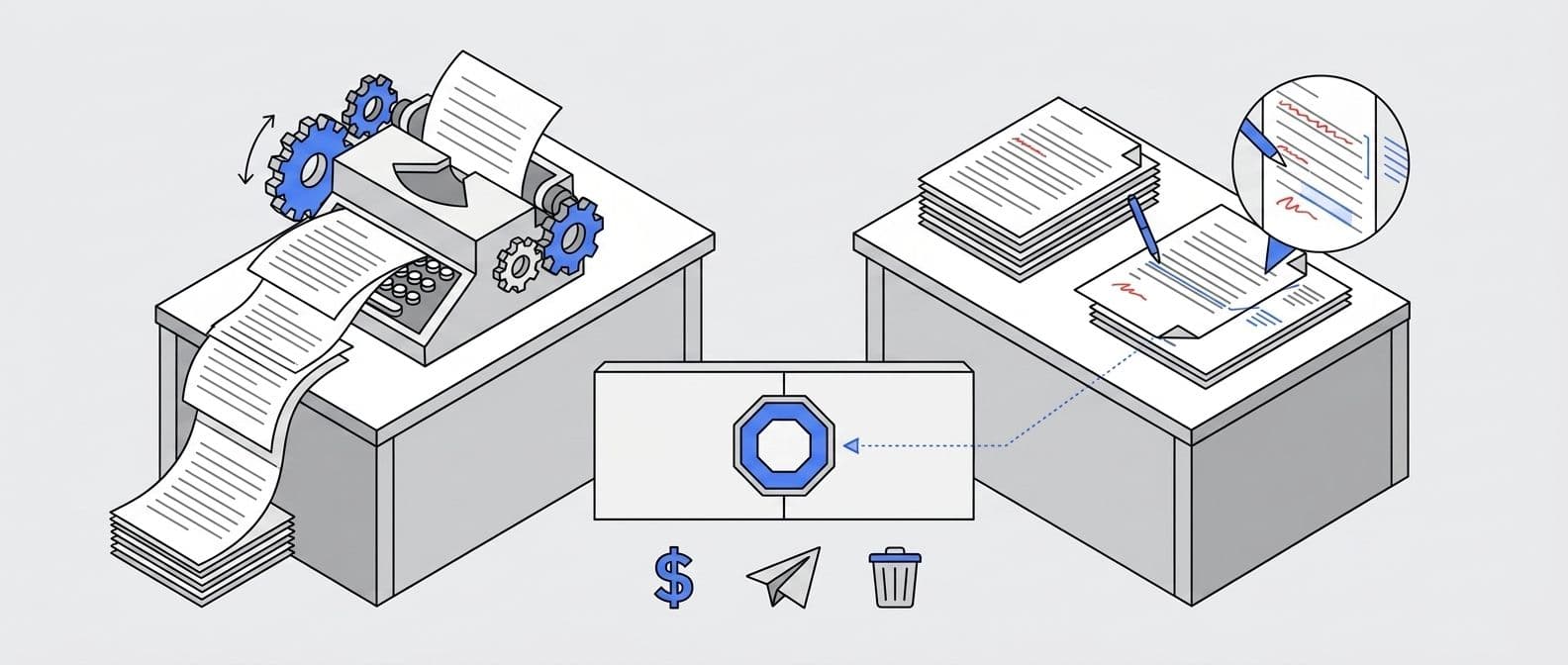
I still wouldn't give Grok Bots the first draft of something I care about publishing, then ship it untouched. Claude remains better at that. That's not loyalty. It's just true for my ear. The post you're reading went through the same editorial pass I use for everything else. The work around the thinking can move. The thinking doesn't get outsourced because a bot can type.
I also wouldn't point either of them at money, a live send, or a folder I haven't looked at, and go to lunch. Auto-approve is a speed setting, not a personality trait. If it can delete, post, or pay, I'm in the room.
And I wouldn't treat "it has desktop access" as the feature. Desktop access is table stakes now. Claude Cowork has it. Grok Bots have it. A lot of things will have it by Christmas. Cloud execution is going the same way - Cowork already keeps working with the lid shut, same as the bots. The question left is whether the agent borrows a computer for the length of a task, or keeps one between tasks.
So which one?
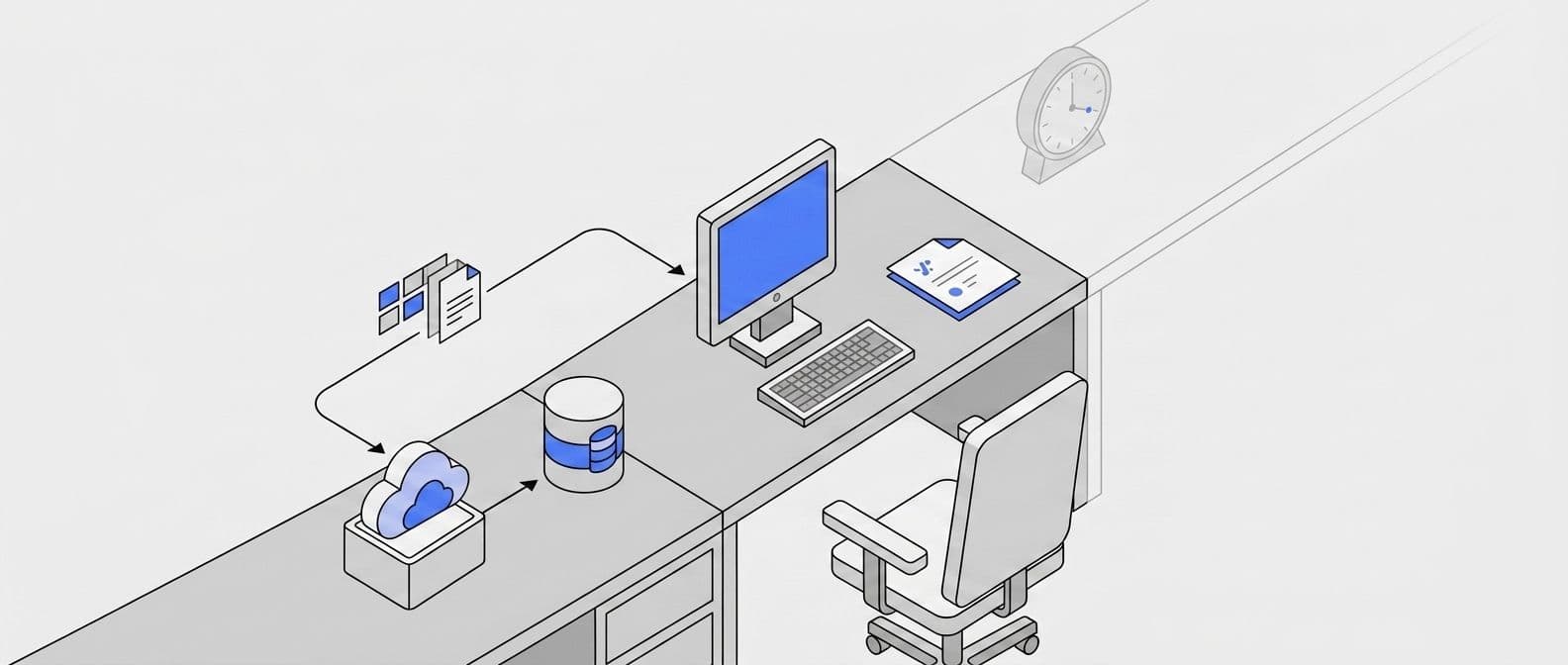
For me it isn't a replacement. It's a split.
Claude for the words, the code, the judgement, the client context I've already taught it, and the jobs that should happen inside a folder I can see. Cowork is how that stack grew hands.
Grok Bots for the jobs I would have given a person. Go and do this. Come back when you need me. Keep your own desk between jobs. Don't make me keep a 40-message thread in my head because LinkedIn and the website and the file sort are all the same conversation.
The agencies I work with will ask which one to buy. That's the wrong first question. The first question is: do you want a better Claude, or do you want someone with a desk?
Most teams will end up wanting both, and they'll pretend that's indecision. It isn't. It's how the work actually splits once the novelty wears off.
I'm still testing. Some of this will look silly in three months. Fine. I'd rather write it while my hands are still in it than wait until the take is safe.
The principle hasn't changed from the last time I wrote about this stuff. Remove the friction. Keep the judgement. The new part is that the friction isn't just formatting and scheduling anymore. It's the hours of "I'll do that after this meeting" that never come, because nobody was at the desk.
Someone's at the desk now. That's the part that feels different.